Traditional Cozy Soft Lights: The Classic Try To Find Permanent LED Illumination Installation
There is a factor warm lights never ever truly leaves. Styles alter, home exteriors evolve, rooflines obtain cleaner, and lighting innovation maintains boosting, yet that acquainted warm glow still feels right. It softens hard building lines, flatters block and stone, and offers a home a lived-in sophistication that cooler tones seldom match. When property owners ask what surface will certainly still look great 5 or 10 years from now, I often come back to the very same solution: traditional cozy soft lights.
That answer issues even more when the job includes a Permanent LED Lights Installation Short-term hairs boil down. Irreversible systems keep up through every period, every climate change, and every design stage. An irreversible setup requires to look deliberate in December, refined in July, and proper on an average Tuesday night when nobody is celebrating anything at all. Cozy light does that much better than virtually any various other option.
A great deal of people first come across these systems while buying Permanent Vacation Lights, after that realize the genuine value has much less to do with one season and more to do with the year-round look. Once they visualize the lights staying on your home full time, their priorities shift. Fancy shades are enjoyable for occasions. Cozy soft light is what many people actually wish to live with.
Why cozy light still wins on real homes
On paper, lighting selections can seem like a matter of preference. In practice, they influence exactly how the entire home reads from the street. A warm shade temperature level, generally somewhere in the lower Kelvin range, draws out the all-natural deepness in timber, home siding, block, and landscaping. Cooler light often tends to hone whatever. That can be valuable in commercial settings or on very contemporary homes, but on many homes it feels harsher than people expect.
I have actually seen this play out numerous times during evening trials. A property owner starts off requesting for bright white since they want the lights to feel clean and recognizable. Then the example shifts from great white to cozy white, and the entire discussion changes. The stone veneer suddenly looks richer. The soffits quit really feeling stark. The windows tackle a softer structure. What looked remarkable in theory begins to feel also medical in reality, while the warmer setting looks more expensive and a lot more at home.
The result is specifically solid on older homes and typical architecture. Colonials, craftsman homes, ranch residences, farmhouses, and brick two-stories all tend to gain from Classic Cozy Soft Lights because the shade sustains the personality that is currently there. It does not compete with your house. It finishes it.
That said, cozy light is not just for typical homes. Also more recent constructs with tidy lines frequently look much better with a warmer nighttime tone. Modern architecture already brings enough aesthetic sharpness in its shape. Including cold light in addition to that can press the look into something severe. Cozy illumination equilibriums the geometry and keeps your house welcoming.
The difference between warm and washed out
One issue shows up typically: property owners worry cozy light will look dim, yellow, or old-fashioned in the wrong method. That can happen, however it normally has less to do with the concept and even more to do with the item top quality, lensing, spacing, and control settings.
A good long-term system does not toss muddy amber light throughout the roofline. It creates a clean, regulated radiance with enough outcome to define the design without swamping it. The heat needs to feel intentional, not weak. This is where expert item selection issues. 2 lighting systems can both promote warm white and carry out really in different ways when installed.
The lens style, diode quality, and placement under the soffit all influence the last appearance. A properly designed system hides the hardware and provides the light, not the fixture. The result is fine-tuned. You notice the line of illumination and the state of mind it develops, yet you do not look at exposed light bulbs defending attention.
This is just one of the biggest distinctions in between a thoughtful Permanent LED Lights Installation and a jumble DIY arrangement. The permanent system needs to go away during the day and quietly raise your house in the evening. When the lighting is also cool, also brilliant, or too exposed, the system itself comes to be the story. That is generally not the goal for home owners who want a classic exterior.
Where classic cozy soft lights fit best
Warm soft illumination works remarkably well in everyday mode. That is the mode homeowners utilize one of the most, also if they initially acquired the system for holidays. A lot of irreversible systems spend most of the year on a simple routine: on at sunset, off at bedtime, perhaps brighter on weekend breaks, maybe a little later during gatherings. In those normal-use patterns, warmth is what maintains the setup from feeling overdone.
It also lugs well across various functions. For visual appeal, it details the home without making it look business. For amusing, it produces environment. For seasonal decorating, it serves as a base layer that can either stand alone or be briefly accented with shade. For security, it offers useful ambient exposure without the glare of floodlighting.
One customer I bear in mind had a large two-story block home with dark shutters and mature oak trees. They initially wanted a cooler white due to the fact that they believed it would make the house really feel a lot more high end. We mocked up both options. The cooler tone showed hard off the white trim and squashed the brick. The warm tone drew out the structure in the masonry and tied the whole front elevation together. A week after setup, they informed me the most significant surprise was how much they took pleasure in the lights on regular nights, not just when guests were over. That is precisely the point. Excellent permanent illumination makes its continue typical nights.
Permanent vacation lights that do not look seasonal
This is where many home owners think twice. They enjoy the ease of Permanent Vacation Lights, however they do not desire your home to look like it is always ready for an event. That is a legitimate concern. Some installments do look also festive year-round, typically because the fixtures are also noticeable or the default settings lean too brilliant and colorful.
Classic cozy settings solve much of that problem. When the system is tuned to a soft cozy white and mounted discreetly along the roofline or building sides, it finds out more like premium outside accent illumination than vacation style. The vacation capability is still there, ready for December, birthdays, video game days, or patriotic weekends, yet the day-to-day presentation stays understated.
That twin usage is the genuine marketing factor. Property owners no more have to select in between ease and restraint. An excellent permanent system can be both functional and stylish, yet just if the standard lights selection is calm enough to deal with. Cozy soft light provides you that baseline.
The best installations usually have a pecking order. Daily scenes are easy and low drama. Holiday scenes are bolder and utilized deliberately. If every setup is trying to be high influence, the uniqueness subsides swiftly. The homes that look best gradually are the ones where the routine nightly appearance is subtle.
Getting the shade temperature right
If you desire the timeless look, the real color temperature issues. Also cozy and the house can look overly brownish-yellow. As well awesome and the gentleness vanishes. There is no ideal number for each building, however there is a beneficial working variety for a lot of homes.
In property settings, many people land comfortably someplace around 2200K to 3000K for warm soft outside illumination. The reduced end feels more candlelike and intimate. The upper end still feels warm, but cleaner and a little more vibrant. Material color, trim comparison, and area context all impact where the pleasant area falls.
A white stucco home in a seaside setting might deal with a somewhat cleaner cozy tone well. A red block home with lotion trim typically looks outstanding a little bit lower in the range. Dark outsides normally take advantage of enough heat to keep the house from turning aesthetically flat at night, however they likewise require sufficient result to read clearly from the street.
Here are a couple of variables worth considering when dialing in the ideal look:
- exterior product shade and texture
- how covert or visible the components will certainly be
- viewing range from aesthetic to house
- whether the home is typical, transitional, or modern
- how usually the system will be utilized in everyday warm-white mode
That last factor is easy to underestimate. If warm white will be your default 90 percent of the time, invest extra effort getting it right. It is better to refine the daily scene than to obsess over the one or two holidays when the system goes fully color-changing.
Brightness matters as long as color
A common blunder is blaming the color when the real issue is strength. Even a gorgeous cozy white can look economical if it is also bright for the home. Overlit rooflines produce hotspots, glow, and visual clutter. Instead of emphasizing style, they subdue it.
This happens frequently on modest-sized homes where the system can a lot more result than the style actually needs. Property owners see the lights at full brightness during configuration and presume more need to be better. Generally it is not. On numerous homes, going down the outcome visibly boosts the outcome. The lines come to be softer, the spill comes to be more controlled, and the home looks more refined.
Permanent systems with app-based controls make this much easier, however just if the installer or homeowner takes some time to program beneficial scenes. It aids to contend the very least one daily warm-white setup tuned specifically for regular nights, not just a common manufacturing facility preset. That setting might run at a lower illumination on weekdays, with a slightly brighter variation for weekend breaks or entertaining.
The classic appearance is seldom the brightest setup. It is the one that really feels balanced from the street, from the driveway, and from inside the house looking out.
Installation details that form the final look
A stunning lighting shade can not rescue a careless install. The workmanship behind the system identifies whether the result feels custom or patched with each other. With Permanent LED Lights Installation, placement is everything.
Under-soffit mounting has a tendency to be the cleanest choice for several homes due to the fact that it hides the equipment and guides the light in a controlled clean. Fascia installing can function well as well, however it requires cautious planning to maintain the visual rhythm also. Spacing ought to reply to your home, not just adhere to a one-size-fits-all regulation. Tops, dormers, garage doors, gables, and transitions each adjustment how the light reads.
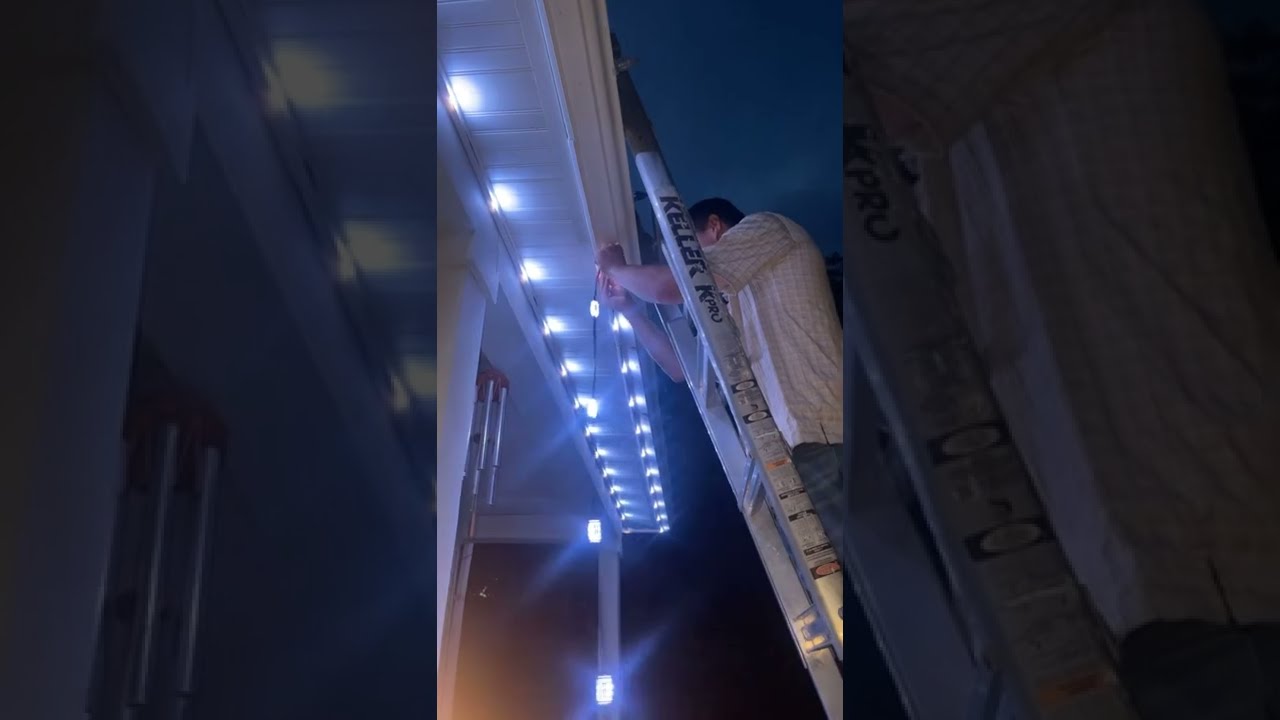
Wire administration matters more than people assume. Throughout daylight hours, poor wire routing is what gives away a hurried installation. Home owners are paying for durability, so the system should really feel constructed right into the house as opposed to draped onto it. Clean lines, matched trim channels where required, and very discreet terminations all contribute to the high-end appearance.
There is likewise the issue of service. Irreversible does not imply untouchable. A well-installed system enables accessibility for future upkeep without harmful surfaces or calling for significant disassembly. That is one of those details homeowners may not consider on day one, but they value it later.
Warm light and seasonal versatility can coexist
Some home owners stress that choosing a cozy daily aesthetic will certainly restrict the fun of color scenes later. In truth, both enhance each other. A home with a stylish baseline scene looks even much better when it moves purposefully for holidays or events. The contrast provides seasonal programming extra impact.
December is one of the most noticeable example. Warm white can carry your home wonderfully all season, either alone or combined with timeless red and eco-friendly accents. It additionally sets well with wreaths, garlands, all-natural greenery, and traditional style. Cooler white frequently clashes with those materials unless the whole vacation style leans extremely modern.
For various other occasions, shade can reoccur without changing the long-term identity of the house. A sports-team scene on Friday night, soft brownish-yellow for fall, red-white-and-blue for a summer vacation, then back to cozy white later. The home still feels grounded because the default appearance is stable.
That is one factor Permanent Holiday Lights have actually ended up being more attractive to house owners who when disliked the idea. The systems no longer need to shout holiday. They can act like https://hardwiredledinstall330.opalvector.com/posts/irreversible-led-lights-installment-for-residence-that-need-subtle-spectacular-illumination sophisticated building lighting most of the year and shift settings only when welcomed to.

Practical trade-offs homeowners should know
Warm soft lighting is flexible, but it is not magic. There are compromises, and it helps to recognize them prior to installation.
Very cozy setups can lose some crispness on homes with very intense white trim. If the home has a minimalist, nearly gallery-like design language, a somewhat cleaner cozy white may match it much better than a deeply amber tone. Residences in dense communities may likewise need brightness adjusted carefully so the installment remains classy and does not cast unnecessary spill towards neighboring properties.
Another side instance is snow. In wintertime climates, snow shows a lot of light back onto the exterior. A setting that looks best in October might feel brighter in January. That is not a defect in the system, just a pointer that programmable scenes are beneficial. Seasonal tweaks assist maintain the very same aesthetic mood throughout transforming conditions.
Landscaping additionally transforms the equation. Mature trees, hedges, and stonework can soak up or mirror more light than expected. Occasionally the very best roofline color needs companion changes in path or uplighting so the overall scene feels coherent. Outside illumination functions best as a make-up. Long-term roofline illumination is one layer, not the entire performance.
Choosing an installer who recognizes restraint
Not every installer has the exact same eye. Some are outstanding at the electric and technological side yet push every home toward maximum brightness and optimum color because that is what stands out in a demo. The far better professionals recognize when to pull back.
Ask to see finished jobs in the evening, not just photos. Images can overemphasize illumination and flatten color. A real-time browse through tells you far more concerning the installer's taste. Focus on whether the lights enhance the homes or dominate them. Notice if the fixtures vanish throughout the day. Ask what the common daily scene resembles for a lot of customers after the uniqueness uses off.
A good installer should be able to chat plainly about shade temperature level, illumination control, placing technique, and scene shows without resorting to vague marketing language. They need to likewise be truthful when a residence would take advantage of a somewhat different warm tone than the homeowner initially requested.
That kind of judgment is what separates a sales pitch from a design service.
Keeping the system looking great over time
Permanent lights ought to not come to be a set-it-and-forget-it eyesore. The good news is, maintenance is generally light if the system is installed appropriately and the parts are built for outside use. A little focus goes a long way.
An easy maintenance regular generally includes:
- checking seasonal scene schedules a few times a year
- rinsing or gently cleaning visible trim and lenses when grime builds up
- inspecting for storm damage after significant climate events
- updating control software application if the producer recommends it
- confirming brightness degrees still suit modifications in landscaping or paint color
Most of this takes mins, not hours. The factor is not constant tinkering. It is keeping the discussion willful. If the home gets repainted, if brand-new trees go in, or if the family realizes the lights run behind they favor, small adjustments maintain the refined look.
Why the traditional appearance has staying power
The best outside options typically obtain from the same principle: if something flatters the home itself, it lasts. If it relies on uniqueness, it dates swiftly. Cozy soft illumination flatters the home. It highlights shape, structure, and percentage without forcing a pattern onto the architecture.
That is why Classic Cozy Soft Lights continue to appeal also as lights systems end up being more advanced. Individuals may take pleasure in the application controls, the organizing, and the capacity to switch to color for unique celebrations, yet the look they return to evening after evening is the easy one. Warm. Well balanced. Comfortable. Stylish without effort.
For home owners thinking about a Permanent LED Illumination Installation, that is the typical worth going for. Not the brightest scene, not the most significant demonstration, and not the one that gets the biggest response for five mins. The best choice is the look that still feels excellent after the visitors leave, after the season adjustments, and after the system becomes part of everyday life.

A home lit in soft warm tones feels resolved. It looks taken care of. It welcomes individuals in. And unlike lots of design choices linked to a specific minute, it has a tendency to age gracefully. That is unusual enough to matter.